Visual Essay
Reconstructing Human Agency in the Age of Algorithmic Vitality
Curatone Art & Research Journal, Vol. 1, Issue 2 (2026)
Received: June 16, 2026
Accepted: July 2, 2026
Published: July 18, 2026
Keywords: Algorithmic Vitality, Experience Design, Corporate Branding, Visual Strategy, Brand Trust, Human Agency
Abstract: In the landscape of high-stakes enterprise technology, human experience is increasingly obscured by complex, AI-driven digital systems. As software transitions entirely to cloud-based environments, critical operations like database automation, data security, and access protocols run silently behind the scenes, leaving users detached from a physical product. This visual essay investigates the designer’s vital role as a translator who reclaims human agency within these highly abstract ecosystems through a framework termed "Algorithmic Vitality". By analyzing design strategies within massive corporate shifts, specifically the transition of HashiCorp into the IBM environment, this paper argues for an "Outside-In" methodology. This framework reverse-engineers touchpoints backward from audience psychology and cognitive capacity rather than internal engineering spec sheets. Central to this inquiry is the Cyberdada project, a speculative design track that utilizes creative coding to drop organic, unexpected errors into otherwise predictable digital loops. This practice-based study demonstrates that in an era of automated, generative homogenization, design is not merely a decorative layer. Instead, it serves as a fundamental tool for preserving distinct human character, cognitive accessibility, and community continuity. By shifting from cold technical complexity to honest, tactile visual communication, design bridges the divide between invisible backend data and human perception, grounding innovation in authentic user trust.
Yanwen Hang is a brand designer and visual strategist at IBM, specializing in experiential design for enterprise technology ecosystems. She developed the "Algorithmic Vitality" framework, earning Typographic Excellence from the Type Directors Club and a Muse Creative Award. An established voice in the industry, Yanwen serves on prestigious international juries, including the NYCxDesign Festival Design Nexus Awards and Curatone.art. Her practice focuses on translating complex, abstract technological concepts into empathetic, human-centric visual narratives.
Selected for the Curatone Annual Review 2026 (Academic Print & Digital Edition).
1. The Designer as Translator
Design in the enterprise software world means living between two conflicting spaces: the rigid, hidden logic of global codebases and the messy, emotional reality of human users. In tech today, this work acts as a vital translation line. Most modern software runs entirely in the cloud. It operates behind the scenes, silently firing off code to manage huge database rollouts, lock down security threats, and authorize user logins across thousands of servers. Because it has no physical form, people cannot see or touch it. It exists as an invisible utility.
When technology becomes this abstract, users lose their footing. The design practice here is not about decorating a product or putting a sleek logo on a landing page. It is about building trust. It translates invisible compute power into a physical, visual language that people can read, understand, and feel safe using. This requires breaking down dry engineering specs and rebuilding them into spatial and visual stories that respect a user's attention.
2. The "Outside-In" Empathy Method
Most enterprise design suffers from an "inside-out" perspective. Engineering teams build environments based on their own internal milestones, product sheets, and technical features. This creates cluttered, overwhelming visual spaces that alienate the very people they want to attract. The "Outside-In" method flips this completely. It starts with the human being in the room, not the product spec sheet. Every touchpoint—whether it is an interactive web dashboard or a massive physical exhibition booth—is built backward from how people think, feel, and process information.
Take AWS re:Invent as a clear example. It is a massive, exhausting tech conference with over 60,000 people navigating endless rows of flashing screens and dense data diagrams. The design strategy here was to pull that invisible cloud automation down to earth, turning it into something people could touch and experience. Instead of slapping up intimidating network architecture charts, we built an open, intuitive physical space. Clear walking paths and welcoming entry points let conversations happen naturally. It made heavy, enterprise-scale technology feel approachable without stripping away its authority. By focusing entirely on human comfort and reducing cognitive noise, the physical activation drove 12,700 unique badge scans, proving that design directly impacts business results when it respects human behavior.
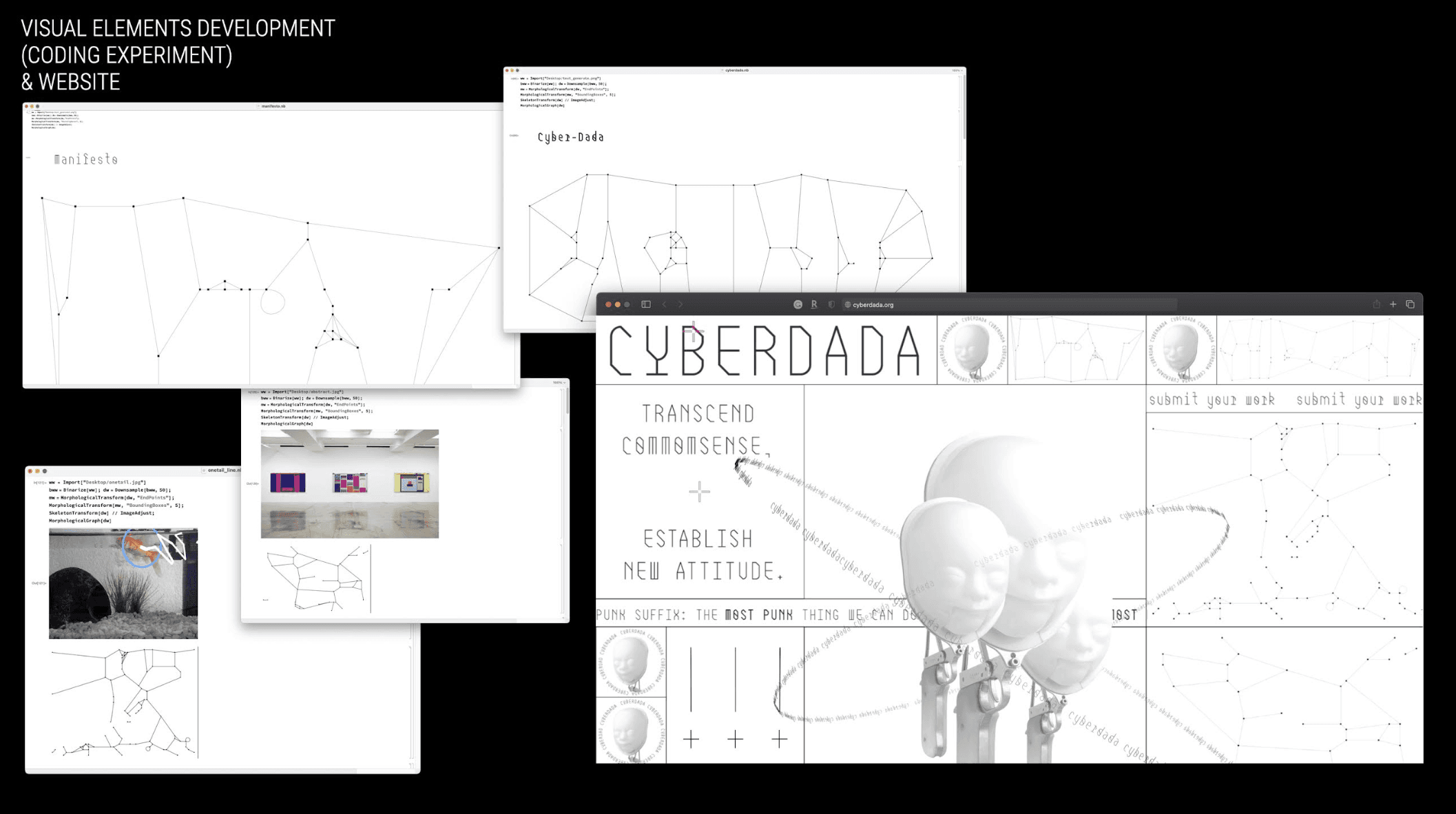
Fig. 1: Cyberdada, Creative coding, dimensions variable, 2026.
3. Algorithmic Vitality and the Logical Moat
Generative AI tools can now pump out millions of "good enough" graphics instantly. To survive as human creators, we must build a "logical moat", which is a clear, unbreakable design logic that a machine cannot just guess or copy. My answer to this is "Algorithmic Vitality". This approach abandons random, trendy aesthetic choices and replaces them with strict mathematical and scientific foundations.
In the Oh Fructose identity project, the visual system was engineered straight from the molecular blueprint of fructose. While the basic chemical equation is C6 H12 O6, its real-world physical behavior is governed by a specific atomic shape: a five-sided chemical ring called a furanose ring. This exact pentagonal structure became a strict "Factor-of-5" design algorithm. We used the geometry of this five-sided chemical ring to build a step-by-step design system. Every single element in the system—the spacing of the layout grid, the scaling of the typography, the progression of the color gradients—was calculated directly from the numeric properties and constraints of this five-sided ring. No choices were left to guesswork or floating aesthetic trends. This creates an uncopiable, deeply integrated brand DNA that resists the bland, automated look of AI-generated assets. It proves a strange paradox: when design commits to a rigid, scientific logic, it becomes far more capable of projecting a distinct human character.
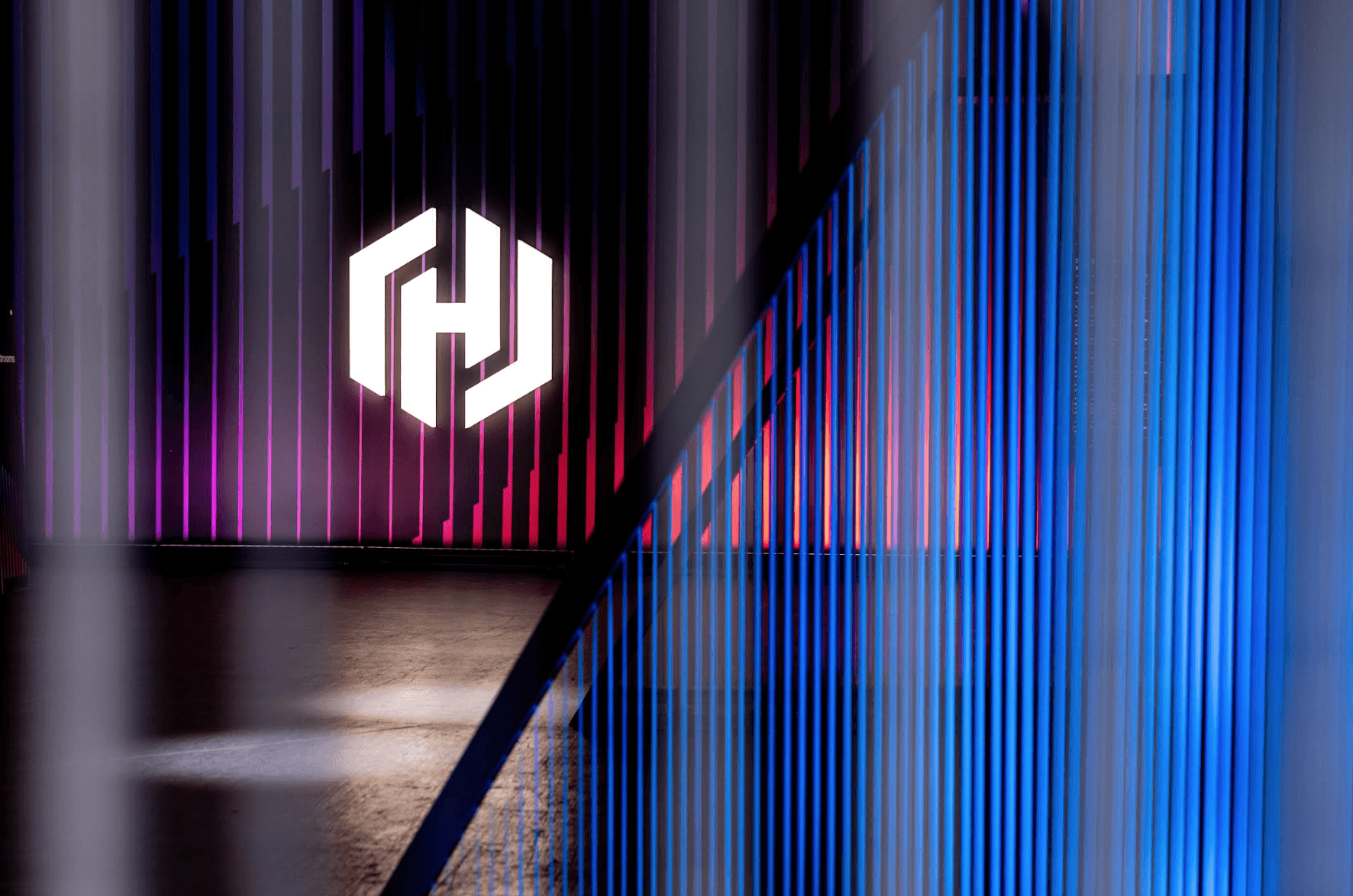
Fig. 2: HashiConf 2025 spatial design, Mixed media, dimensions variable, 2025.
4. Cyberdada: Speculative Interventions in the Automated Age
If Algorithmic Vitality provides the rigid bones of this design system, the Cyberdada project is its moving pulse. Cyberdada is a speculative research track meant to push back against the dull perfection of machine-driven design.
Nature does not evolve smoothly. It moves in sudden, non-linear leaps—moments where a biological organism randomly mutates to survive and outgrow a static environment. Cyberdada mimics this by using creative coding to inject intentional, calculated errors into digital systems. These are not random system crashes or broken links; they are designed "glitches" that mimic human messiness and spontaneity. In a digital landscape obsessed with slick, friction-free automation, Cyberdada breaks the pattern. It reminds us that real creativity happens when we step off the predictable track. By introducing these human errors into a digital stream, the project shows that even within the most rigid corporate frameworks, there is always room for a sharp, creative interruption.
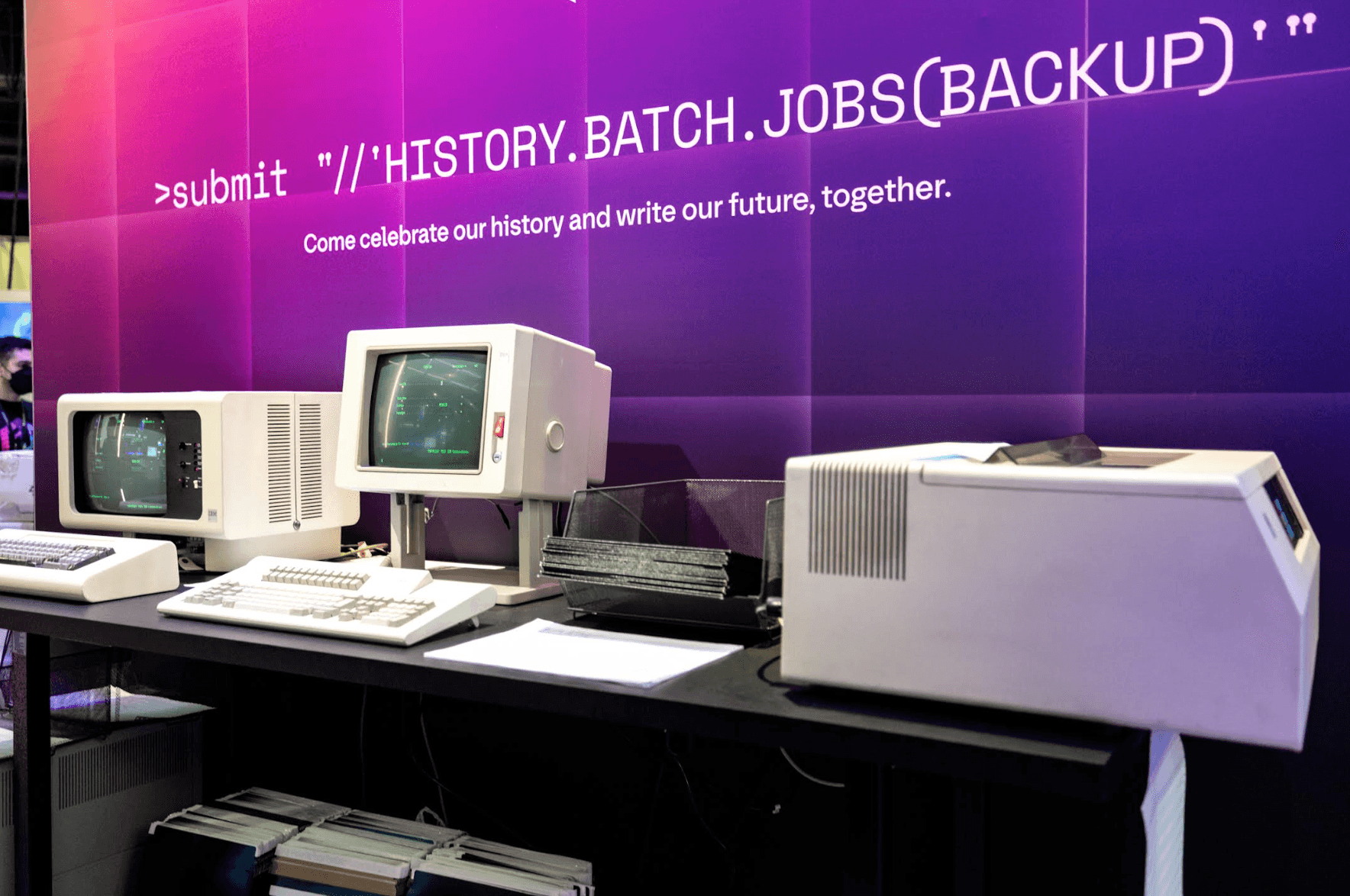
Fig. 3: The vintage printer activation, Interaction components, dimensions variable, 2026.
5. Stabilizing Continuity and Tactile Engagement: HashiCorp and IBM
When massive tech companies merge, like IBM's acquisition of HashiCorp, the stakes are high. For global developer communities, these corporate shifts cause friction and a loss of trust. Design during these moments acts as a critical anchor. Directing the experiential visual strategy for HashiConf from 2022 through 2025 meant managing this delicate transition. The visual language had to stay rock-solid, reassuring developers that their community's pulse was still strong, even as the corporate infrastructure changed behind them. It required combining raw technical clarity with emotional awareness to give users a sense of grounding and safety.
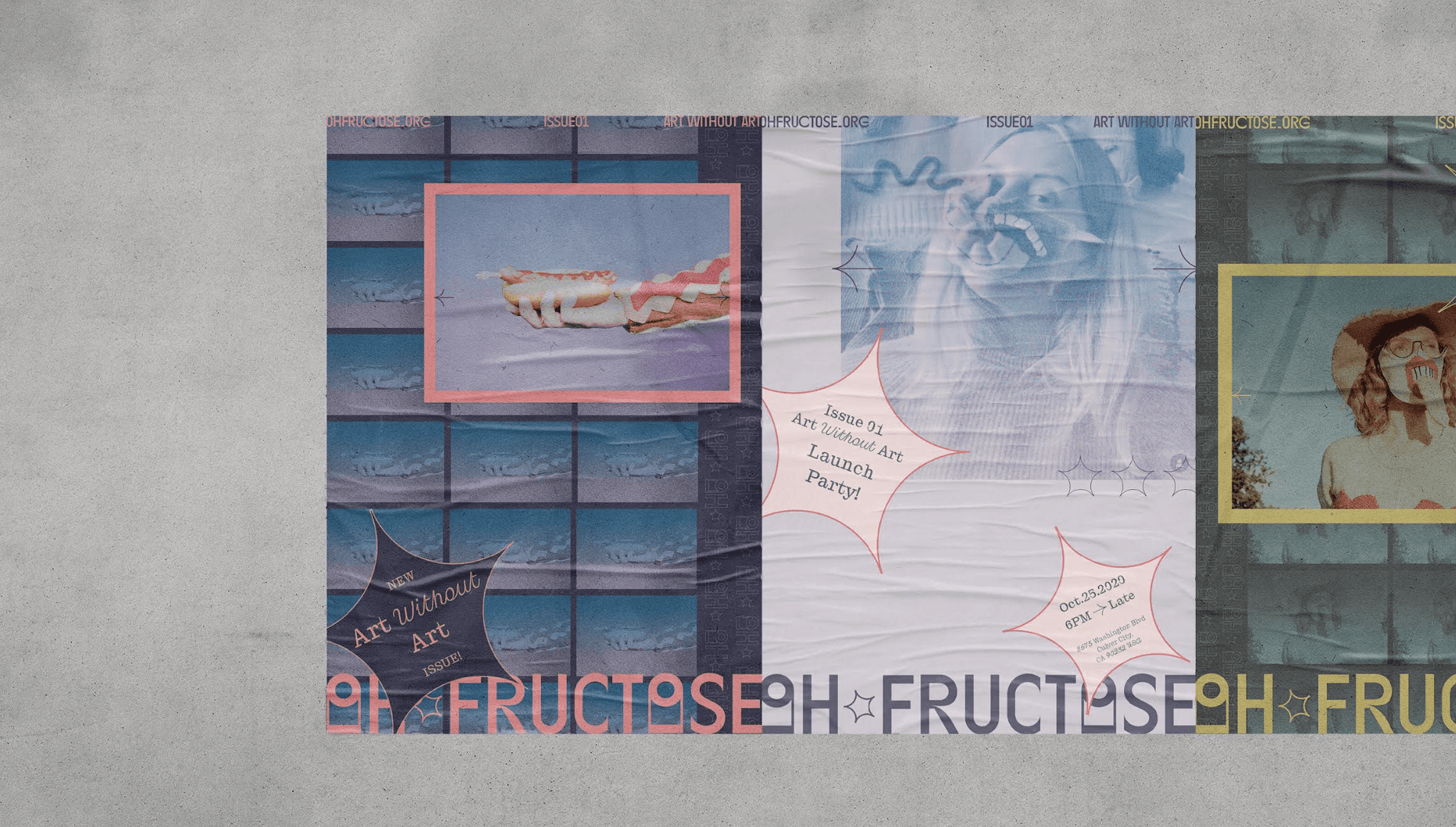
Fig. 4: Oh Fructose, Typography layouts, dimensions variable, 2026.
This effort to build trust is rooted deeply in physical things. In a world where everything lives on a screen, branded merchandise or "swag" shouldn't be treated as cheap corporate giveaways. It is a powerful tactile tool to make invisible software real. My approach to swag and activation frames these physical items as real experiences. Developers care deeply about how things are built, layered, and configured. This insight led to the creation of the interactive "Keycap Lab".
Mechanical keyboards are highly personal, daily tools for engineers. The keycap system let people physically build and collect custom pieces that reflected their individual workflows. This building process felt natural to them because it mirrored their own daily reality—stacking code, adjusting configurations, and deploying systems layer by layer. We took a similar approach with custom wearable workshops, using clean, minimal icons like classic terminal marks and code syntax instead of giant corporate logos. This turned abstract technical ideas into personal identity signals. When you give people the raw components to build their own physical objects, you move them from passive viewers to active participants. A carefully designed physical artifact cuts through the digital noise, leaving a permanent, human mark of trust that a screen simply cannot match.
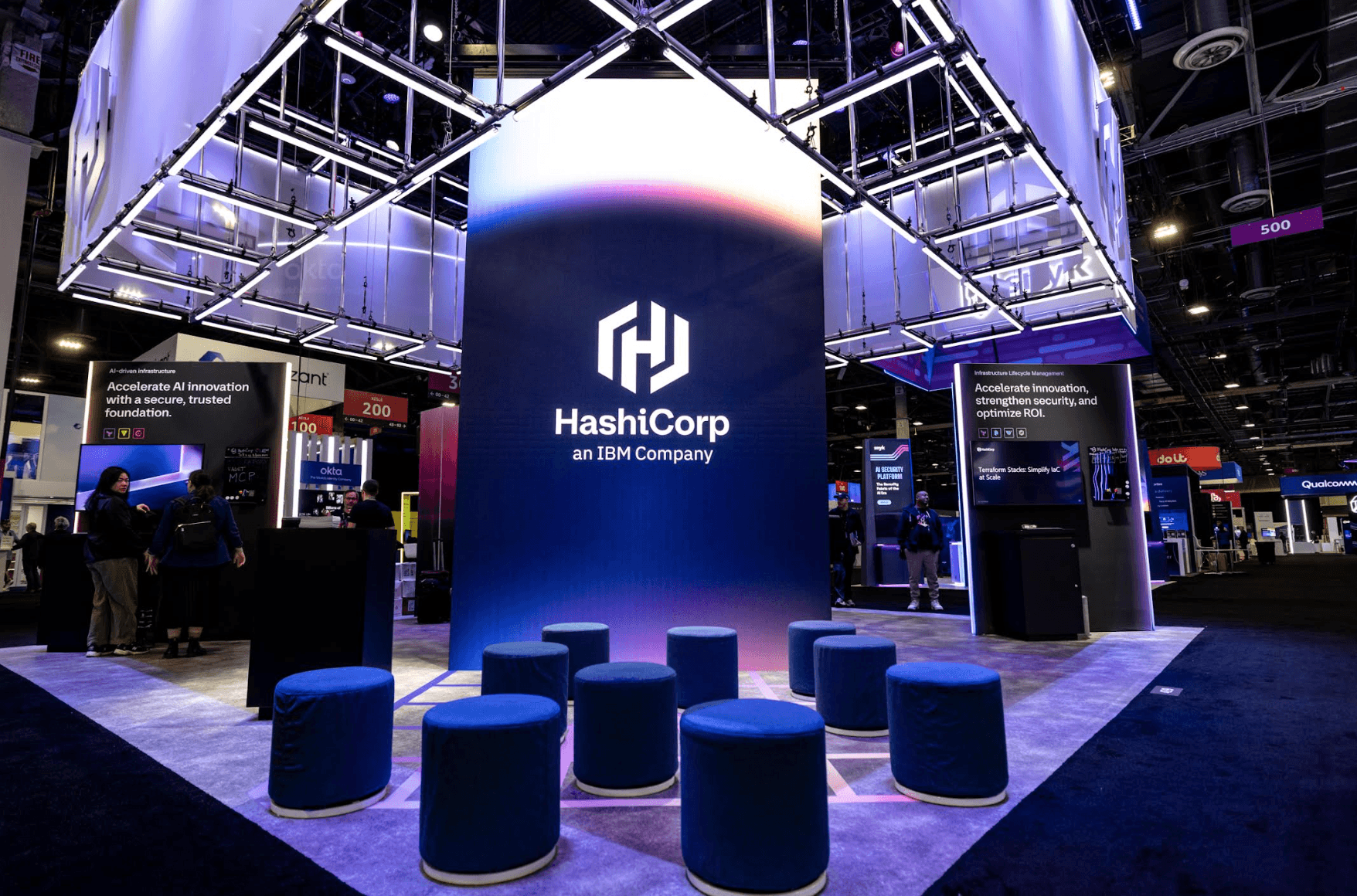
Fig. 5: Experiential booth at AWS re:Invent, Spatial design, dimensions variable, 2025.
6. Conclusion
As enterprise software gets more automated and hidden away in backend computing loops, visual strategy must step up. Design cannot be a passive service or a decorative afterthought. It is the front line where invisible technology gets a human face. By pairing the psychological focus of the "Outside-In" method with the structural science of "Algorithmic Vitality," design keeps technology grounded in reality. Projects like Cyberdada remind us that human deviations and unexpected choices are our greatest strengths in a world built on predictable code. Ultimately, design is how we claim our space, ensuring that as systems grow more complex, they remain completely built for us.
Vol. 1, Issue 2 (2026)
Editorial & Review Credits
Editor-in-Chief & Internal Reviewer: Elizaveta Akimova (A professional artist and researcher with an M.Sc. in Applied Informatics and a B.A. in Graphic Design. She is an Honorable Member of the International Academy of Modern Arts and a member of the Eurasian Art Union, with her status formally recorded in the Unified Register of Professional Artists): "Yanwen Hang’s essay frames the designer as a vital translator between invisible cloud technology and human perception. By pairing her "Outside-In" empathy method with the mathematical rigor of "Algorithmic Vitality," she demonstrates how strategic design preserves user trust during major corporate shifts like the HashiCorp and IBM integration. Combined with the glitch-driven interventions of "Cyberdada," Hang builds a powerful creative moat against AI homogenization, proving that intentional design logic is essential for maintaining human agency in automated ecosystems."
Author: Yanwen Hang
Peer Review Board:
Olga Bondarenko (Award-winning designer and photographer (CAPIC, APA), Graphic Design degree (KSADA), Juno Awards photography team, and experienced art curator): "Yanwen provided a good refresher of why following nature, being unpredictable & not being afraid of deviation remains something intrinsic to humans. (Reading the piece nudged me to learn more about the mathematical part behind the generative art as well.) After all, it is tough to do both: speak numbers & speak art... but then again, very few important things are easy."
Xinyue Hope Shen (Award-winning, Cornell-trained landscape architect and design critic with global project experience at SWA Group. Recognized by the National ASLA, IDA, and MUSE Design Awards, and a guest lecturer and critic at UNLV and the University of Houston): "Yanwen Hang presents a compelling framework for restoring human agency within increasingly abstract and automated technological environments, positioning design as a translator between invisible systems and lived human experience. Her concept of “Algorithmic Vitality” is especially valuable because it combines rigorous visual logic with empathy, tactility, and productive imperfection, demonstrating how designers can preserve trust and distinct human character in the age of generative AI."
This article has undergone an editorial peer review process by members of the Curatone.art Editorial Board.
How to cite: Hang, Y. (2026). Reconstructing Human Agency in the Age of Algorithmic Vitality. Curatone Art & Research Journal, 1(2). Retrieved from https://curatone.art/publications/reconstructing-human-agency-in-the-age-of-algorithmic-vitality

Featured Artists
We provide media exposure on Curatone.art and across social media for selected finalists and winners