Expert Insight
Expert Insight: Roman Zakharchenko on Urban Transformation and the Evolution of Modern Tattooing
Curatone Art & Research Journal, Vol. 1, Issue 1 (2026)
Received: December 20, 2025
Accepted: January 20, 2026
Published: February 2, 2026
Keywords: Graffiti and Street Art History, Contemporary Art, Academic Research in Tattooing
Abstract: This article examines the work and research methodology of Roman Zakharchenko, a scholar dedicated to the socio-cultural evolution of visual subcultures. By bridging the gap between street art, tattooing, and classical academic discourse, Zakharchenko’s work provides a comprehensive look at how marginal aesthetics transition into the global art canon. The discussion highlights his contributions to multiple scientific publications and his recent monograph, offering a unique perspective on the intersection of historical art forms and modern urban identity.
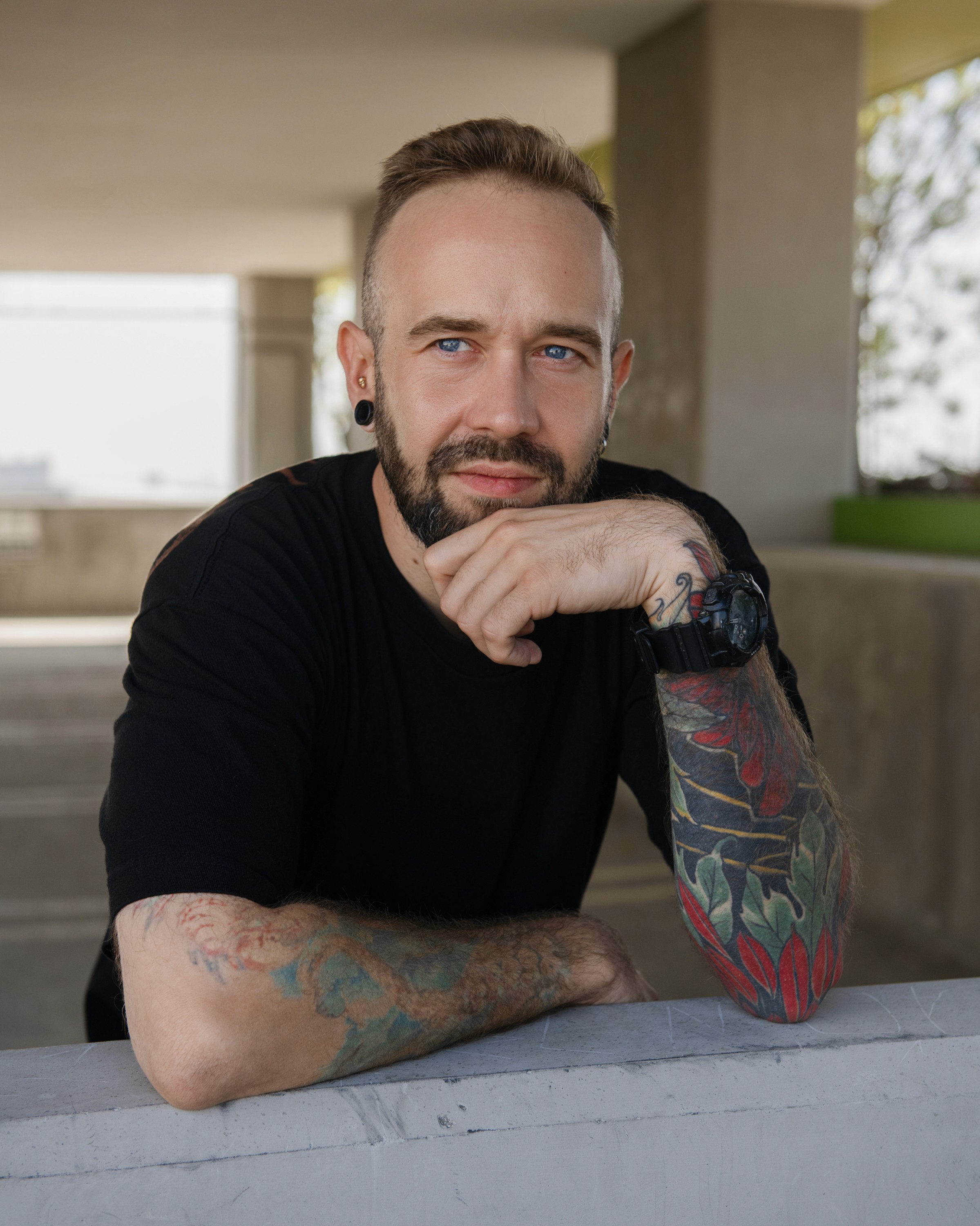
As part of Curatone.art’s research project, we feature Roman Zakharchenko - a multidisciplinary visual artist, member of the Eurasian Art Union, and an international judge in the tattoo industry. Roman’s career, spanning from large-scale architectural facades to custom body art, serves as a primary case study for our research into how modern subcultures integrate into global social structures.
Expert Biography
Roman Zakharchenko is a Vladivostok-born artist with a degree in Graphic Design (FEFU). He is a recognized figure in the global street art and tattoo communities, having won numerous awards in Russia, China, and the USA. As a representative of the Hustle Butter Pro Team and KRASKA Pro Team, he plays a key role in setting professional standards for the industry. Roman is the author of multiple scientific publications regarding the evolution of graffiti and tattooing, with his work indexed in major global research databases. He has also authored a comprehensive monograph "Body. City. Canvas. An Artist’s Method", further establishing his role as a leading researcher in the field.
Selected for the Curatone Annual Review 2026 (Academic Print & Digital Edition).
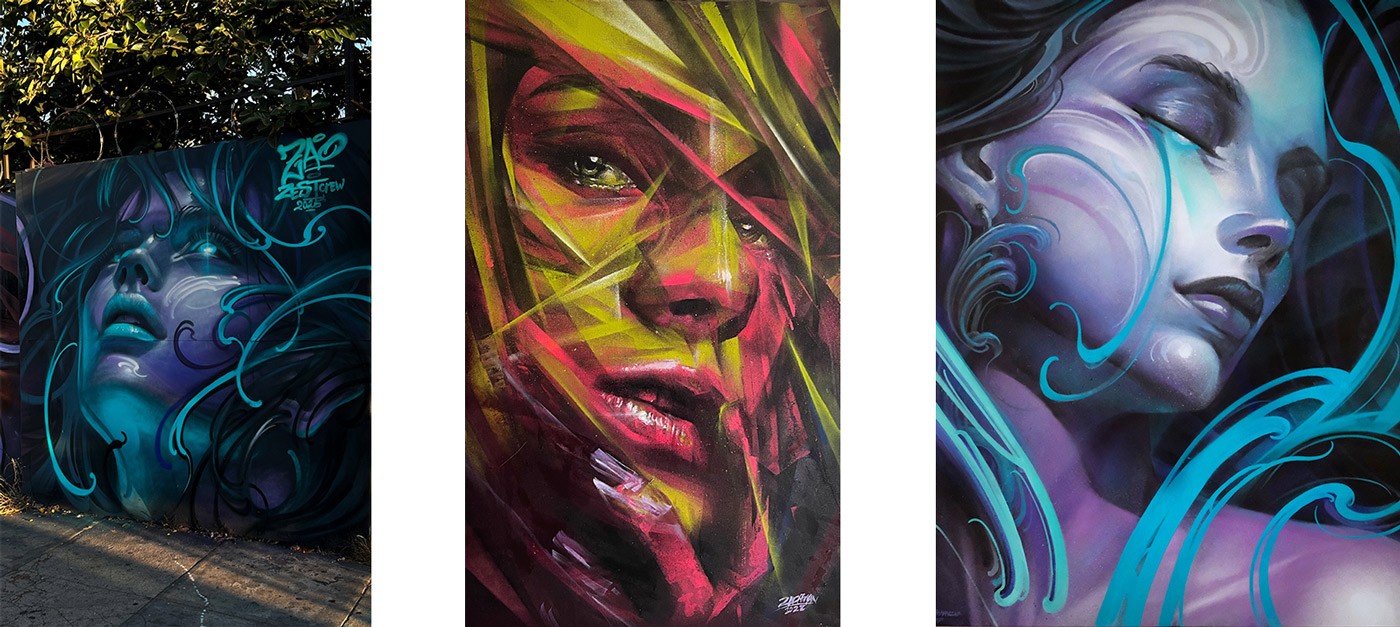
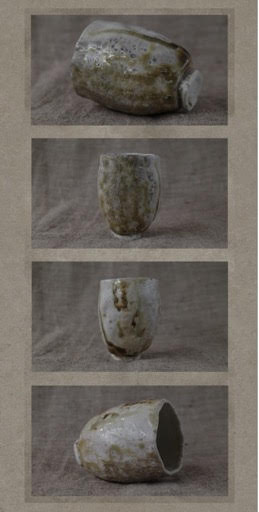
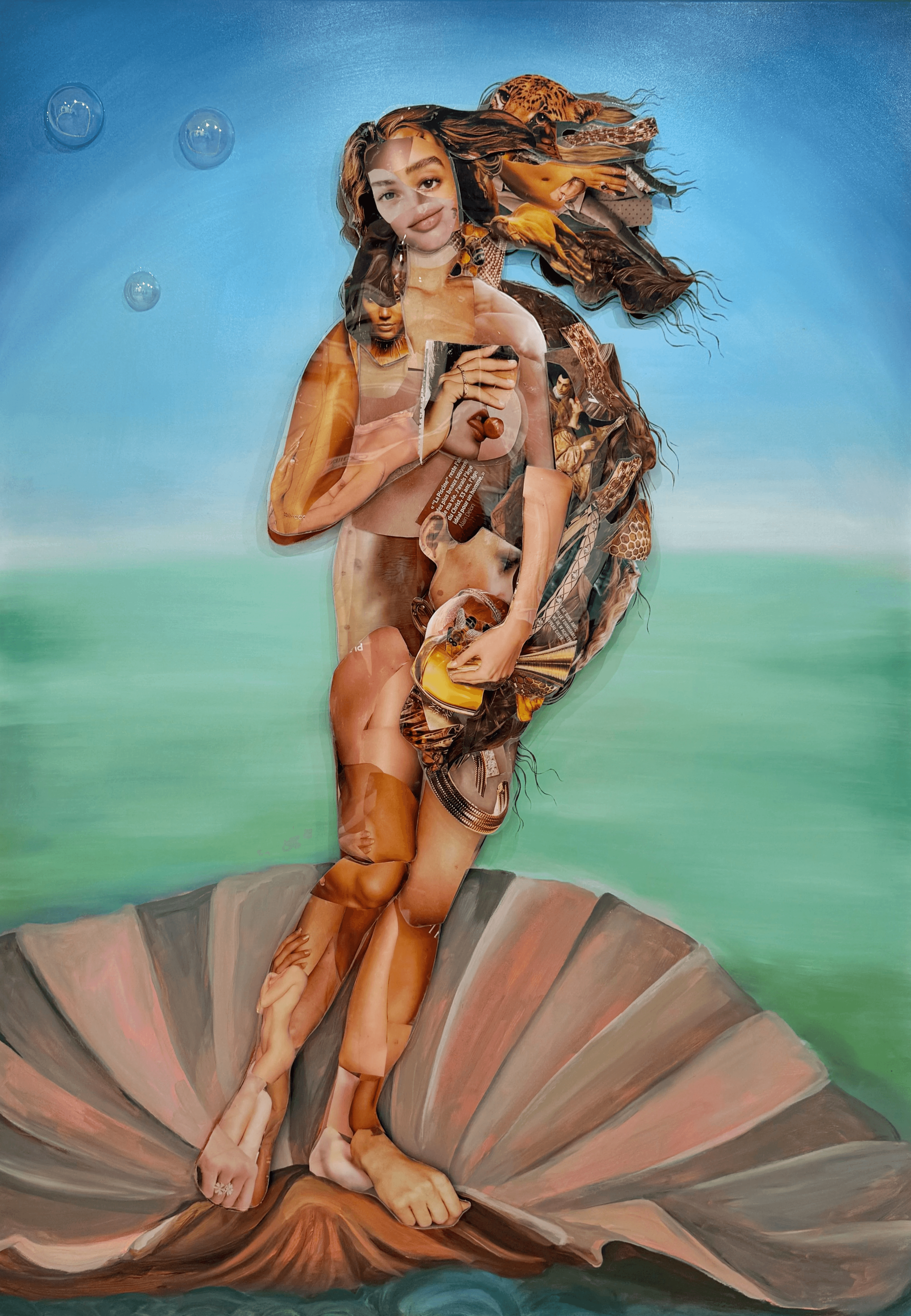
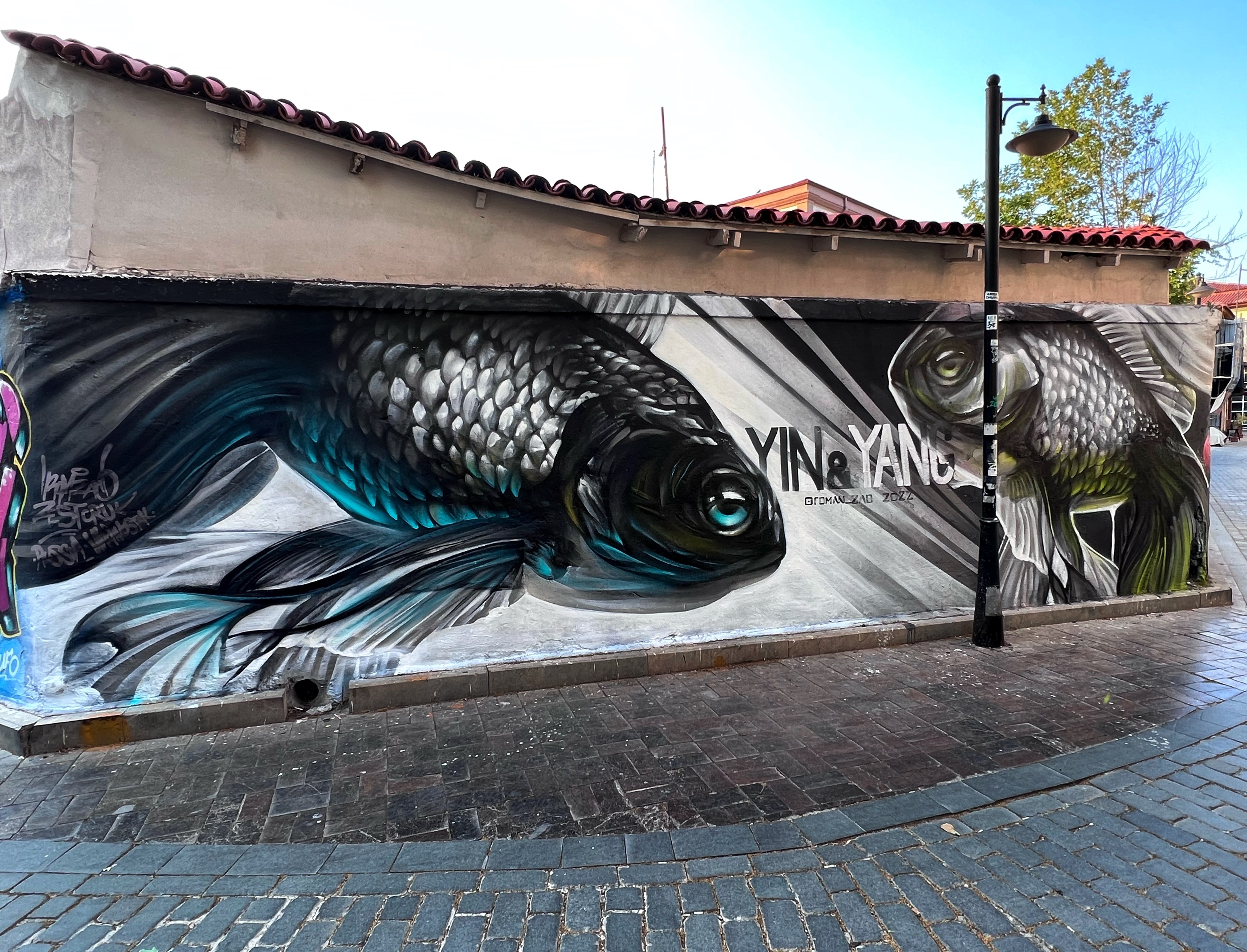
Roman Zakharchenko's artworks
You have judged major competitions like the NY Empire tattoo expo and Art Ptitsa. When evaluating works across different media - from digital art to physical tattoos - what are the universal "markers of excellence" you look for?
The first thing that always catches my attention is the idea and the message behind a piece. After that, I focus on composition and technical execution. Regardless of the material or surface, these three elements are the core pillars that, in my opinion, define successful art. Even if the technique is imperfect in some aspects, a strong and compelling idea will always outweigh a technically polished work that lacks depth and meaning. Ultimately, I believe that the idea is the main driving force behind any form of art
As a member of the Eurasian Art Union and major Pro Teams, how important is formal recognition and institutional membership for artists working in traditionally "underground" fields like graffiti or tattooing?
I believe that belonging to professional teams or artistic unions represents an important stage in the evolution of an artist’s mastery. It creates a competitive environment that pushes you to move forward, learn new approaches, and experiment within your practice. In a way, you never truly understand your level until you step into this intense creative ecosystem filled with diverse artists. And honestly, I don’t think there are any purely ‘underground’ fields left today. With the rise of the internet and social media, most artistic practices have moved out of the shadows, as artists actively seek to share and present their work to a global audience.
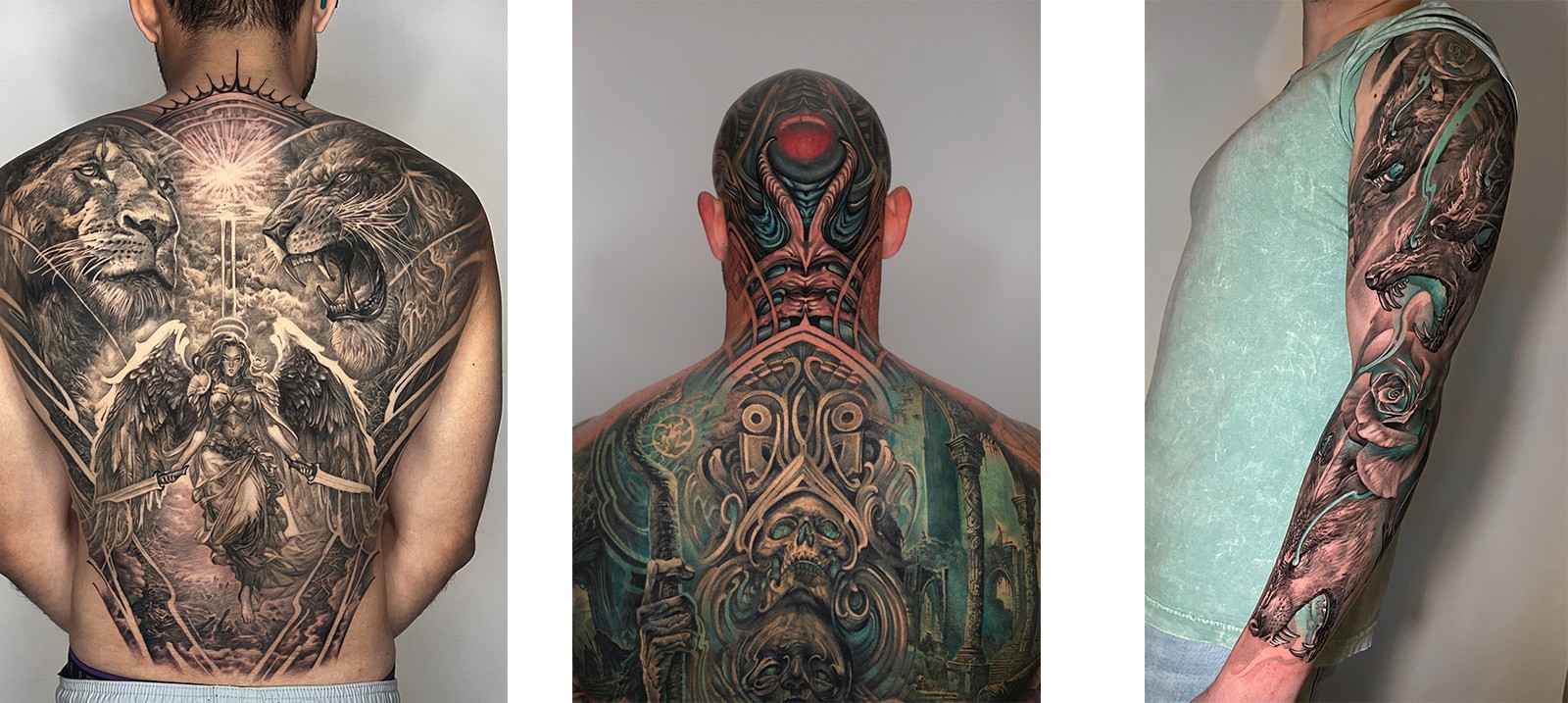
Roman Zakharchenko's tattoo artworks
You are a member of the prestigious Hustle Butter Pro Team, which includes some of the best artists in the world. How does being part of such an elite global professional community influence the standards you apply when judging international competitions like "Light & Shadow"?
Being part of such a professional community pushes me to stay constantly sharp and never become complacent. It motivates me to keep drawing, experimenting, and continuously improving my skills in both illustration and painting. At the same time, the fundamental standards of visual art such as composition, draftsmanship, and the understanding of light and shadow remain unchanged, just as they are in classical art. That is why, when evaluating competition entries, I primarily rely on these classical artistic principles.
Your research paper, "Graffiti in Urban Space: From Vandalism to Street Art," explores the social transformation of cities. Do you believe galleries today should do more to bridge the gap between street culture and "high art"?
I don’t fully agree with that idea, because the natural environment of street art is the city itself. It exists and integrates organically into urban space, creating a specific visual and cultural context. At this stage, I don’t believe street art should be actively transferred from the streets into gallery spaces, because that would risk losing its core essence. It would be similar to exhibiting fragments of national parks inside museums the original meaning and experience would be diminished. Perhaps in a hundred years, when street art no longer exists in its original urban form, it might make sense to present it in galleries as a tribute to a past cultural era.
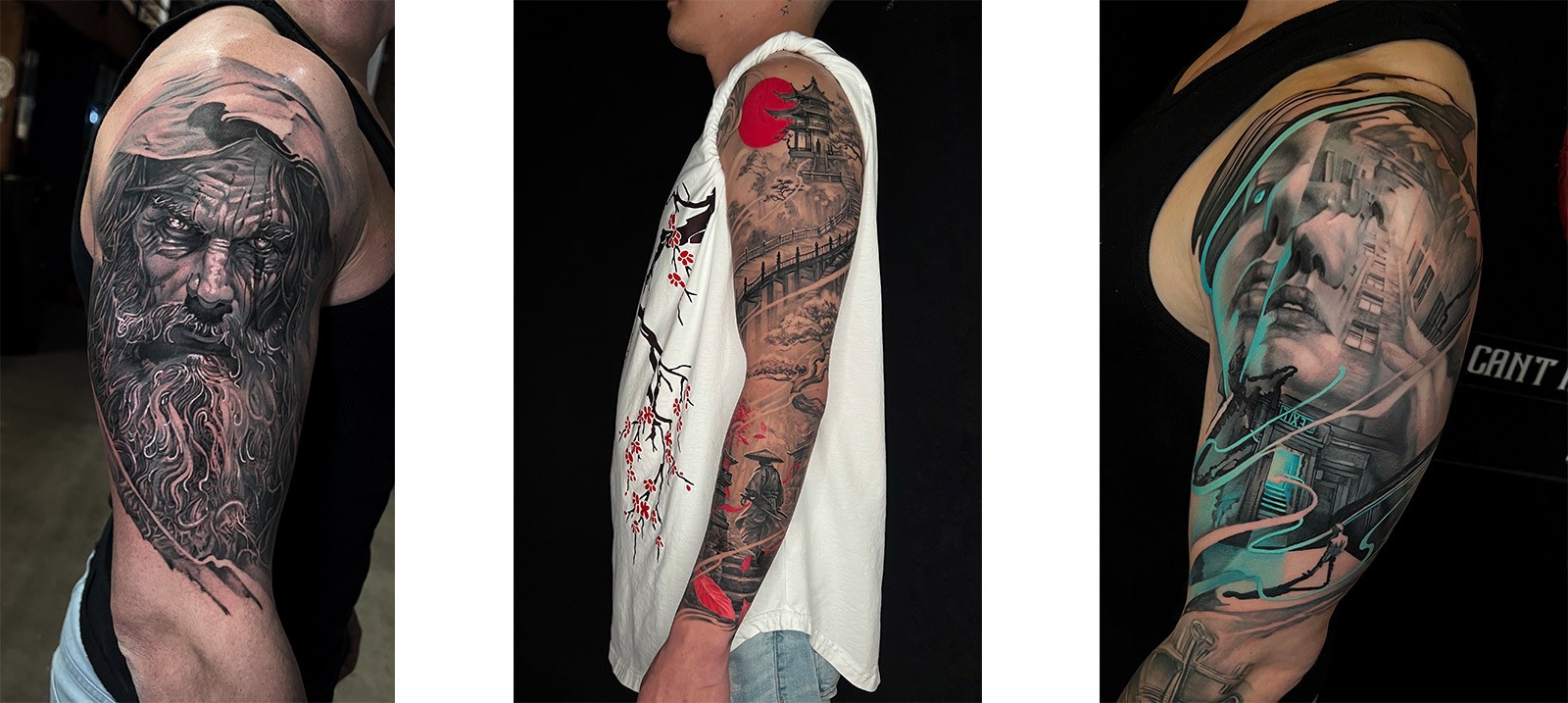
Roman Zakharchenko's tattoo artworks
In your book Body. City. Canvas. An Artist’s Method, you explore the relationship between artistic environment and professional responsibility. How does this concept influence your curatorial decisions for the “Light & Shadow” exhibition? Do you aim to highlight raw expressive energy, or do you prioritize technical and compositional mastery?
I tend to follow a balanced approach, because the combination of a strong idea and solid technical execution leads to truly compelling artistic solutions. In my view, neither concept nor technique alone is sufficient for a work to be fully understood and effectively communicated. In my curatorial work for the ‘Light & Shadow’ exhibition, I applied this same principle of balance, focusing on the harmony between conceptual depth and technical quality.
As a guest juror for Curatone.art evaluating works by international artists, does your experience judging major festivals in the United States influence how you perceive technical skill in contemporary global art?
It definitely does, because this type of experience builds strong visual awareness and helps you study different artistic styles, techniques, and compositional approaches. I believe that an artist should always push beyond boundaries and explore new directions, first and foremost for the development of their own expert perspective. My experience at festivals in the United States has undoubtedly broadened my outlook as both an artist and a professional evaluator in the field.
Your work has been recognized across very different contexts, from awards for sand sculptures in China and winning the graffiti category at the international Art Station III exhibition to receiving the “Best Painting” award in Chicago. How does working with such diverse materials as ice, skin, and concrete shape your sensitivity and perspective as a juror when engaging with contemporary art?
Art cannot exist within a single format, such as only canvas or only walls. It is always something broader. I would say that art has no fixed boundaries at all. It is an endless experiment with surfaces, techniques, materials, perception, and interpretation. Working with different materials feels like developing new neural pathways in the brain, similar to acquiring new skills. It pushes you toward unconventional solutions, especially in composition and in the overall creative approach. All of this experience makes me more versatile and better prepared to evaluate artworks across different mediums and artistic contexts
Research Context & Expert References
This interview is a foundational part of Curatone.art’s ongoing research project: "The Impact of Contemporary Art and Design on Global Social Structures." Our research explores how artistic practices evolve into tools for social and environmental change. By documenting the insights of experts like Roman Zakharchenko, Curatone.art aims to map the intersection of creative excellence and professional responsibility in the 21st century
Selected Bibliography & Academic Sources:
Monographs & Books
Zakharchenko, R. (2025). Body. City. Canvas. An Artist’s Method. Independent Publication. Available at: Amazon Edition. ISBN: 979-8295554834
Zakharchenko, R. (2025). Professional Artistic Method: A Comprehensive Study. Featured in Penzu Research Journal.
Peer-Reviewed Scientific Papers
Zakharchenko, R. (2026). The Anatomy of the Human Body as a Factor in Artistic Decision-Making in Tattoo Art. International Journal of Research, Vol. 13.
Zakharchenko, R. (2025). The Evolution of Tattooing as an Art Form in Contemporary Society. Young Scientist Journal.
Zakharchenko, R. (2025). Graffiti in Urban Space: From Vandalism to Street Art. Young Scientist Journal.
Zakharchenko, R. (2024). Hybrid Workflow of a Tattoo Artist Using Generative Artificial Intelligence: Balancing Creative Process Acceleration and Artistic Style Preservation. Universe International Scientific Journal.
Zakharchenko, R. (2024). Content Funnel of a Tattoo Artist: Comparative Analysis of Formats and Conversion. Akademik International Scientific Journal.
Expert Commentary & Specialized Research
Zakharchenko, R. (2024). An Analysis of Social Changes Following Tattoo Acquisition. FictionTalk Journal.
Zakharchenko, R. (2023). Color in Tattoo Art: Interaction of Pigment, Skin, and Blood Undertone. FictionTalk: Art & Science Section.
Zakharchenko, R. (2024). Practice-Oriented Study of Artistic Maturity in Tattoo Art. GoodSciencing Research.
Zakharchenko, R. (2024). Factors Influencing Compositional Decision-Making in Tattoo Art. GoodSciencing: Arts & Humanities.
Exhibitions & Critical Reviews
The Line of Emotion: Roman Zao’s Exhibition as an Exploration of Inner Movement. (2026). Critical review published in Before It’s News.
LINE OF EMOTION. (2025). Personal Exhibition Catalog. New York, USA. Available at: BeArt New York.
Vol. 1, Issue 1 (2026)
Interviewed by Elizaveta Akimova, Curatone.art Project Director
Editor: Irina Naumycheva (Miami, USA) Art strategist and award-winning designer. Irina is a recipient of the Presidential Award and an expert juror for international platforms, including Apexart (USA). She is the author of the AI-Art & Design Flow methodology, specializing in the integration of AI in contemporary creative processes.
This article has undergone a double-blind peer review process.
How to cite: Zakharchenko, R. (2026). Roman Zakharchenko on Urban Transformation and the Evolution of Modern Tattooing. Curatone Art & Research Journal, 1(1). Retrieved from https://curatone.art/publications/roman-zakharchenko

Featured Artists
We provide media exposure on Curatone.art and across social media for selected finalists and winners