Career Strategy
How to Build an Artist Portfolio: A Complete Guide for Creative Professionals
An artist portfolio is one of the most important tools for your career. Whether you're looking for gallery representation, seeking commissions, or wanting to participate in art competitions, a strong portfolio is essential. This guide shows you exactly how to build an artist portfolio that gets results.
What is an Artist Portfolio?
An artist portfolio is a curated collection of your best artworks. It showcases your skills, style, and creative vision to galleries, collectors, curators, and potential clients. A good portfolio tells the story of who you are as an artist.
Your portfolio is different from your full collection of work. It's not about quantity—it's about quality and strategy. You select only your strongest pieces to create a cohesive presentation that represents your best work.
Why You Need an Artist Portfolio
Get Gallery Representation — Galleries want to see your portfolio before considering you for exhibitions. A professional portfolio demonstrates you're serious about your career.
Win Art Competitions — Many art contests require a portfolio as part of the application. A well-organized portfolio increases your chances of selection.
Attract Collectors and Clients — Collectors search for artists with strong portfolios. A good portfolio shows your professionalism and builds trust.
Secure Commissions — Potential clients want to see your previous work before hiring you. Your portfolio is your sales tool.
Build Your Artistic Brand — A portfolio helps people understand who you are as an artist. It communicates your unique style and perspective.
Document Your Growth — Your portfolio tracks your artistic development over time, showing evolution and improvement.
Step 1: Gather Your Best Work
Start by collecting high-quality images of all your artwork.
What to Include:
Paintings and drawings
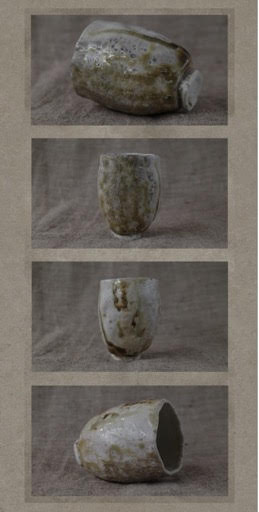
Sculptures (photographed from multiple angles)
Installations (photographed professionally)
Digital art and designs
Mixed media pieces
Photography or video work
Quality Requirements:
Professional photographs with good lighting
Consistent color accuracy
High resolution (at least 2000 x 2000 pixels)
Consistent framing and presentation
How Many Pieces? Start with 15-25 of your best works. You can always add more later. Quality matters more than quantity.
Step 2: Select Your Strongest Pieces
Not all your work belongs in your portfolio. Be selective and strategic.
Ask Yourself:
Does this piece represent my best work?
Does it fit my artistic style and direction?
Would I be proud to show this to a gallery owner or collector?
Is the quality professional and exhibition-ready?
Tip: Remove pieces that don't align with your current artistic direction. A focused portfolio is more powerful than a scattered one.
Step 3: Organize Your Work by Theme or Series
Group your pieces in a logical way that makes sense for your practice.
Organization Options:
By Medium — All paintings together, all drawings together, etc. This works well if you work in different mediums.
By Series — Group related works that explore similar themes or concepts.
By Subject Matter — Organize by themes (portraits, landscapes, abstracts, etc.).
By Chronological Order — Newest work first, showing your current direction.
By Project — Group works that were created for specific exhibitions or commissions.
Choose the organization that best represents your artistic vision.
Step 4: Write Descriptions for Each Piece
Every artwork in your portfolio needs a clear, compelling description.
What to Include:
Artwork Title — Clear and memorable
Year Created — Shows when you made it
Medium — Paint type, materials, technique (acrylic, oil, watercolor, digital, etc.)
Dimensions — Height x Width (include in inches or centimeters)
Price (optional) — If selling or available for commission
Example Description: "Reflection of Self | 2024 | Acrylic on canvas | 36 x 48 inches
This painting explores themes of identity and self-perception. Using bold colors and layered brushstrokes, I create a visual representation of how we see ourselves versus how others perceive us. The fragmented composition suggests the complexity of personal identity."
Keep descriptions concise but meaningful. Help viewers understand your artistic intent.
Step 5: Create a Professional Artist Statement
Your artist statement is a short text (100-150 words) that explains your artistic practice.
Include:
Your artistic vision and goals
The themes you explore
Your creative process or techniques
What makes your work unique
Your artistic inspiration or philosophy
Example Artist Statement: "I create contemporary paintings that explore the relationship between light and emotion. Using mixed media techniques, I layer colors and textures to create depth and movement. My work examines how light shapes our perception of reality and influences our emotional responses. I'm particularly interested in the way natural light changes throughout the day, and how these shifts affect our understanding of familiar spaces. My practice is rooted in observation and experimentation, always pushing the boundaries of my medium."
Step 6: Choose Your Portfolio Format
You have several options for presenting your portfolio.
Website Portfolio
Most professional option
Gives you complete control
Shows clients you're serious
Platforms: WordPress, Squarespace, Wix, Adobe Portfolio
Cost: $100-300 per year
Instagram Portfolio
Free and accessible
Great for visual art
Limited for detailed information
Best used alongside a website
PDF Portfolio
Easy to share via email
Good for gallery submissions
Can be printed
Create in Canva, Adobe InDesign, or PowerPoint
Portfolio Platforms
Artstation (for digital art and animation)
Behance (for design and digital work)
Flickr or 500px (for photography)
Submittable (professional portfolio with application features)
Print Portfolio
Physical book for in-person meetings
Professional and memorable
Expensive but impressive
Good for gallery presentations
Step 7: Make Your Portfolio Professional
Your portfolio presentation matters as much as the work inside.
Website Tips:
Clean, simple design (don't distract from the art)
Easy navigation
Mobile-friendly
Fast loading time
Professional contact information
Clear call-to-action
Visual Consistency:
Use consistent spacing around images
Uniform color backgrounds
Professional fonts
Consistent layout across pages
Photography Quality:
High-quality images of your work
Professional lighting in photos
Consistent color accuracy
Multiple angles for 3D work
Step 8: Include Additional Important Information
Beyond your artwork, include supporting materials.
Artist Bio — A brief biography (150-250 words) covering your background, education, and artistic journey.
Artist Statement — The statement you created earlier (100-150 words).
Credentials — Awards, exhibitions, publications, competitions you've won or participated in.
Education — Art degree, training, or relevant certifications.
Social Media Links — Instagram, Facebook, TikTok, LinkedIn (if professional).
Contact Information — Email and phone number clearly displayed.
CV or Resume — Optional, but helpful for gallery submissions.
Step 9: Update Your Portfolio Regularly
Your portfolio should evolve with your career.
What to Update:
Add new pieces as you create them
Remove old or weaker work
Update your artist statement if your practice changes
Add new awards or exhibition credits
Refresh your bio annually
Best Practice: Review your portfolio quarterly. Add 2-3 new pieces every few months to show active practice.
Step 10: Use Your Portfolio Strategically
Your portfolio is a tool. Use it effectively.
When to Share Your Portfolio:
Applying to art competitions
Submitting to galleries
Reaching out to curators
Pitching to potential clients
Sending to art residency programs
Responding to artist opportunities
Tips:
Tailor your portfolio slightly for different audiences
Share the link prominently on your website
Include portfolio link in your email signature
Direct people to your portfolio from social media
Common Portfolio Mistakes to Avoid
Including Too Many Pieces — Quality over quantity. 15-25 strong pieces beats 100 weak ones.
Poor Image Quality — Blurry, poorly lit, or incorrectly colored images hurt your credibility.
Inconsistent Presentation — Inconsistent sizing, framing, or style makes you look unprofessional.
No Artist Statement — Help viewers understand your work. Context matters.
Outdated Work — Old pieces that no longer represent your current direction should be removed.
Cluttered Design — A cluttered website distracts from your art. Keep it simple.
Missing Contact Info — Make it easy for people to reach you. Clear contact information is essential.
Weak Descriptions — Vague or generic descriptions don't help. Be specific about your work.
Building Your Portfolio for Art Competitions
If you're planning to enter art competitions, your portfolio is crucial.
Tips for Competition Submissions:
Choose pieces that align with the competition theme
Include your strongest work that matches the category
Write compelling descriptions that explain your artistic intent
Include any awards or recognition you've received
Make sure images are high-resolution and professionally presented
Participating in art competitions is an excellent way to validate your portfolio and gain international recognition. Platforms like Curatone.art welcome artists of all levels and connect you with professional curators and judges.
How to Present Your Portfolio
In Person:
Print portfolio book (high-quality binding)
Neat, professional appearance
Practice discussing your work
Have copies of your artist bio to leave behind
Online:
Fast-loading website
Easy navigation
Clear portfolio structure
Professional email for inquiries
Email Submission:
PDF portfolio with your best work
Clear file naming
Include artist statement and bio
Keep file size reasonable (under 10 MB)
Social Media:
Instagram feed organized by theme
Consistent aesthetic
Thoughtful captions explaining your work
Stories showing your creative process
Conclusion: Your Portfolio is Your Career Tool
Building an artist portfolio takes time and thoughtfulness. But it's one of the best investments in your artistic career. A strong portfolio opens doors to galleries, collectors, curators, and opportunities you couldn't access before.
Start by gathering your best work. Select pieces that represent your vision. Write compelling descriptions. Then present your portfolio professionally to the world.
Your portfolio is how the art world gets to know you. Make it count.
Ready to Share Your Work?
If you're looking to gain recognition beyond your portfolio, consider participating in art competitions. Curatone.art hosts international competitions judged by professional artists and curators. Winning or being selected as a finalist adds valuable credentials to your portfolio and provides global exposure.
Explore current opportunities on Curatone.art and start building your artistic career today.
Frequently Asked Questions About Artist Portfolios
How many pieces should I include in my portfolio? Include 15-25 of your strongest pieces. Quality matters more than quantity. Every piece should represent your best work.
What size should portfolio images be? High-resolution images (at least 2000 x 2000 pixels) work best. For website use, 1200-1500 pixels is acceptable. Always maintain original high-resolution files.
Do I need a website for my portfolio? A professional website is highly recommended. It shows you're serious about your career and gives you complete control over how your work is presented.
How often should I update my portfolio? Review quarterly and add new pieces every few months. Remove work that no longer represents your current direction.
Should I include prices in my portfolio? It's optional. Include prices if you're actively selling. If not, you can indicate "inquire for price" or leave it out.
What if I'm just starting as an artist? Everyone starts somewhere. Include your best work, even if you only have 5-10 pieces. Build from there as you create more.
How do I write about my artwork if I'm not good with words? Be honest and specific. Describe the medium, size, and what inspired you. You don't need flowery language—clarity is more important.
Can I use phone photos of my artwork? Avoid phone photos if possible. Professional photographs show respect for your work and increase perceived value.
Wide range of services
We provide certificates and other documents for each option
Participate in Contest
$15-$25
Chance to win $100
Participation in the online exhibition
Documents and certificates of participation in the exhibition
Solo exhibition
$65/exhibition
Publishing the interview with the author on our website
Showing your work to a wider audience
Documents and certificates
Become a jury
Approval by the board of curators
Your name is on the list of all jury members
Personalized invitation
Judging documents and certificate

Featured Artists
We provide media exposure on Curatone.art and across social media for selected finalists and winners